Most of us don’t have the deep understanding of science that is needed to discriminate between good and bad science. This applies to journalists too, which are also too frequently biased by the need to “sensationalise”, which boosts sales. So, it’s a deadly combination of uneducated readers that always look for the big and exceptional, and journalists that are often incompetent or under pressure to meet their audience’s interests.
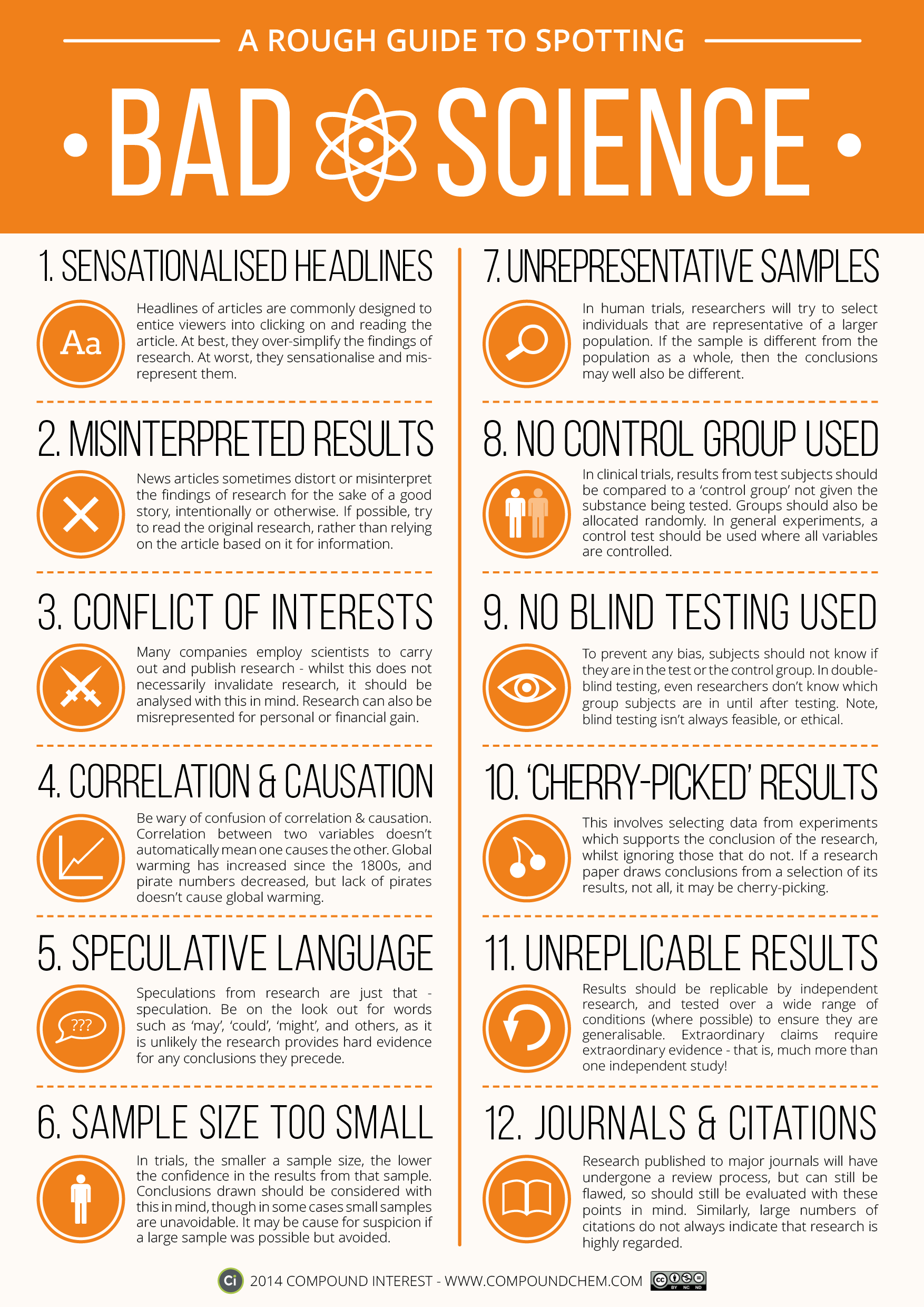
The figure below gives an easy guide to help us distinguish what should just be junked from interesting reports of gound-breaking advances.

 Travels and more from a European family
I wish you the best of luck but the majority of the public were glad to leave education behind when they left school.
Indeed you are correct but the best way to tackle the problem is to get at the perpetrators who profiteer from the gullible public.
Yes, that is one way to do it. But in parallel, you can try to educate the public to be less gullible.
People don’t read the news to sift it and test its validity they read it for entertainment and phantasy enjoyment. That is why the sensationalist newspapers have the largest readership.
Hi. I agree with you, but you will concur that in this way, people are encouraged to believe anything and everything. Particularly in the healthcare sector, this may have very unpleasant consequences.